We frequently hear about various methods for reducing belly fat, but another problem area for most women is their thunder thighs. And if you have thick thighs, you are well aware of the discomfort. Today, we’ll give you some pointers on how to trim and tone your subcutaneous thigh fat.
1) The reality
There is nothing that can do to reduce thigh fat. Weight loss is a multi-step process. Because your body burns fat in general when you eat well and exercise regularly, spot reduction isn’t a real thing. There are, however, some exercises that you can do to tone your thighs while losing weight.
There is nothing that can do to reduce thigh fat. Weight loss is a multi-step process. Because your body burns fat in general when you eat well and exercise regularly, spot reduction isn’t a real thing. There are, however, some exercises that you can do to tone your thighs while losing weight.
2) Limit your salt intake.
Extreme salt loss can make your body retain water. That can cause bloating and alter the shape of your body, including the condition of your thighs. Because water follows salt, reducing your salt intake will immediately affect the fit of your clothes. As a result, consuming less salt results in less water retention in the body.
3) Include more electrolytes.
Calcium, magnesium, and potassium are examples of electrolytes. The more electrolytes your body has, the less salt it will retain. Bananas, yogurt, and green leafy vegetables are high in electrolytes.
4) Limit your carbohydrate intake.
Carbohydrates are converted into glycogen, stored in your liver and muscles alongside the water. The more extra carbohydrates you consume, the more water your body stores. That is why many people believe they lose weight immediately after starting a low-carb diet.
A high-protein, high-fiber diet works wonders for weight loss—protein and fiber help keep you fuller for more extended periods, preventing binge eating.
5) Perform some strength training.
While spot fat reduction is not possible, training a specific muscle to make it strong and toned is simple. Curtsy lunges, goblet squats, and sumo squats can help you target your thighs. To target your inner thighs, perform lateral lunges, and side leg raises. Do deadlifts, reverse leg curls, and bridges to strengthen your hamstrings.
6) Keep changing your moves.
You can build muscle and strength in your thighs by not doing the same exercises every day. Switching moves is critical, and different activities can help you do so. Squats can be done one day and lunge the next.
To quickly tone your thighs, combine HIIT exercises with strength training. This determination helps you burn more calories and create the calorie deficit required to lose weight.
7) Another type of exercise
You cannot lose weight by exercising only one part of your body. And the best way to lose weight is to combine a healthy diet with regular exercise. Here are three exercises to help tone your thighs.
Lunges work the quadriceps, hamstrings, and glutes.
Standing straight on the ground with your feet hip-width apart and your hands on your hips, Move your right leg forward one foot and lower your body until your front, and back legs form a 90-degree angle. Hold this position for 2-3 seconds, then drive back up to the starting position by pressing the right heel. Are you are looking for a wearable fitness device? If yes, then try Boinicgym. Get a 30% discount on thigh wearable fitness devices only at Boinicgym. So, order now by using Boinicgym Promo Code to save more bucks while purchasing.
Squats work the quads, hamstrings, glutes, lower back, and calves.
Level 1: Place your feet wide apart and straight on the ground. Squat down, extend your arms in front of you, flex your knees, and squat as if sitting in a chair. Try to go as low as possible. Catch this place for several moments ere rising to your feet. Rep 10-15 more times.
Quads and adductors will benefit from Single-Leg Circles.
Level 2: Stand straight on the ground, your legs wide apart. Step forward with your right foot, toes are pointing out. Lift your right foot to your knees and make a circle with it. Repeat this 5-10 times with the opposite leg.
You may be just a few days away from your dream vacation or a beach party, and you want to wear that new pair of shorts and take lots of photos. However, leg fat makes you feel insecure, and you want to get rid of it as soon as possible. We do not advise men on losing thigh fat quickly in 4 days cause it is not sustainable and may be dangerous in the long run. Here’s how you can gradually get the thighs you want.
They can affect your usefulness, personal satisfaction, and general health because of the sleep hardship they produce. There is a wide range of kinds of sleep issues, and understanding the side effects of each will help you and your PCP discover what’s causing your consistent sluggishness and, all the more critically, what to do about it. This article centers around the normal kinds of sleeping disorder issues and issues, their manifestations, potential medicines, and valuable tips to fix sleep aggravations.
Normal Types of sleeping disorder issues
Sleep aggravations arrive in an assortment of structures. They’re oftentimes classified into bunches that portray why they happen or what they mean for you. Sleeping disorder issues can likewise be ordered dependent on propensities, issues with your regular sleep-wake cycles, respiratory issues, sleeping hardships, or how languid you feel during the day.
Sleep deprivation problems or insomnia issues
This is a kind of sleep issue where you experience difficulty nodding off or staying unconscious each and every night. Some people face short-term insomnia like for days or maybe for a few weeks just because of some stress or some incidents. And some people may face long-term sleeping disorder issues like for months or maybe more.
Anxious legs disorder (RLS)
RLS is a sleep development issue described by fretful legs disorder. Anxious legs disorder, otherwise called Willis-Ekbom sickness, is described by a disagreeable sensation and a powerful urge to move the legs when sleeping.
Narcolepsy
Narcolepsy is a sleep issue that causes serious sluggishness during the day and makes individuals nod off out of the blue.
Bruxism (Sleeping Disorder Issues (Insomnia)
This is the point at which you grate your teeth around evening time. It’s truly normal. It may make enduring harm to the teeth if not treated. It can now and again actuate jaw pain. In any case, many individuals who have it, are totally ignorant of it. They can protect their teeth by wearing dental watchmen.
Sleep apnea (Sleeping Disorder Issues (Insomnia)
Sleep apnea is an issue wherein you have unpredictable breathing examples while sleeping.
Wheezing
Wheezing is an extremely pervasive issue. It influences as numerous as 40% of guys and 20% of ladies consistently. It can deteriorate as you get more seasoned and put on weight. Wheezing can make it hard for an ally to sleep. The two of them might be upset accordingly. Numerous normal snorers additionally experience the ill effects of obstructive sleep apnea.
Sleep issues and problems are portrayed by unreasonable sleepiness for the duration of the day and trouble nodding off around evening time. Certain individuals rest off at awkward minutes,
For example, while driving, Different signs, and side effects remember relaxing in a sporadic way or having an uncomfortable drive to move while sleeping. It’s additionally conceivable to have odd or bothering movements or sentiments when sleeping. One more sign of sleep aggravations is a conflicting sleep-wake cycle.
The Stages of Sleep Cycle (Sleeping Disorder Issues)
Prior to seeking to know the treatment for sleep issues and issues, understanding the phases of sleep is advantageous. Much of the time, we go through five phases of sleep.
Phase1:
Restful sleep:
We float in and out and are effortlessly stirred. Our eyes move gradually, and our muscles become less dynamic.
Phase2:
Our eyes quit moving and our mind waves quiet down, with irregular eruptions of quick waves known as sleep axles.
Phase3:
Prolonged sleep: Delta waves, which are especially lethargic cerebrum waves, emerge in the middle of more modest, quicker waves.
Phase4:
Sleeping Disorder Issues (Insomnia)
Prolonged sleep: Delta waves are generally delivered by the mind. There are no muscle developments or eye developments.
Phase5: Rapid eye development (REM) sleep Breathing turns out to be more sporadic, shallow, and speedy. The muscles in the appendages become momentarily prepared when the eyes jerk quickly. Dreams generally happen during this period, yet they can likewise occur during different phases of sleep.
Methods to cure sleep disorders?
Treatment for sleep issues fluctuates as per the sort and fundamental reason for the issue. In any case, it as a rule involves a blend of medical intercessions and way of life changes.
Medical Treatment
At the point when the asleep issue isn’t brought about by some significant trigger, it’s typically treated with a mix of medical treatments and way of life changes.
Any of the accompanying medical therapies might be utilized to treat sleep aggravations:
Sleeping Disorder Issues (Insomnia)
Melatonin in supplements
Sleeping pills
Antihistamines or cold meds
Drugs to treat any hidden medical conditions
A dental gatekeeper (ordinarily for teeth crushing)
A breathing gadget or medical procedure (normally for sleep apnea)
The Help from Professional Psychiatrist
In case you believe you have a sleep aggravation, it’s basic to seek a conclusion and treatment at the earliest opportunity. The unsafe effects of sleep unsettling influences may prompt further health suggestions in case they are not overseen.
They can likewise hamper your capacity to get done with day-by-day jobs, cause strain seeing someone, and harm your expert presentation. For the safer side you can Buy Adderall no prescription
Now and again, treatment with medication isn’t consistently supportive. That is the point at which you really want to counsel an expert psychological well-being specialist for inner harmony and sound sleep.
Extra Tips to get Good Night’s Sleep
In the four to six hours before night, avoid caffeine, liquor, and nicotine.
Practicing five or six hours before sleep time might support a superior evening’s sleep.
Don’t sleep after 3 PM.
Don’t have a major feast two hours prior to heading to sleep.
Sleep in a room that is dim, calm, and at an agreeable temperature.
Take a quieting pre-sleep time custom, like a hot shower, delicate music, or perusing, in the 30 minutes before sleep time.
Assuming that you cannot appear to nod off in a short time, go accomplish something serene and return to bed when you’re tired.
Maintaining healthy teeth through good oral care has long-term benefits, such as a healthier mouth and preventing oral problems. First impressions are significant, and the best way to make a great first impression is to appear clean and fresh. Having healthy, attractive teeth can boost a person’s self-esteem by making them feel good about their appearance. A healthy smile can boost anyone’s confidence in social situations.
A person’s oral health benefits them not only socially but also economically. Following proper oral hygiene prevents the need for dental problems such as fillings, tooth extractions, etc. These oral issues may necessitate costly treatments. However, the cost of performing basic oral hygiene and preventive teeth cleaning is relatively low in comparison.
Brushing and flossing are two fundamental procedures that must follow to maintain proper oral hygiene. The first step in maintaining a healthy mouth is to brush your teeth properly every day. Brushing correctly reduces the risk of tooth decay and gum disease, two of the leading causes of tooth loss. Zimba provides whitening strips of teeth made up of high-quality ingredients like menthol and coconut oil. Grab 30% OFF by using Zimba Discount Code.
Why are dental cleanings necessary?
As we all know, numerous dental conditions can remain closed as a result of negligence. The key to a happy smile begins with a regular dental cleaning. Regular dental cleaning prevents teeth from yellowing. Furthermore, it aids in the removal of plaque and tartar that cannot be removed by flossing or brushing. There are numerous dentist Philadelphia agencies from which to choose.
Why go to the dentist?
This allows bacteria and plaque to form and grow on the teeth. Inadequate dental brushing will enable bacteria to multiply in the mouth and cause bad breath. Professional cleaning not only keeps your teeth from yellowing but also makes them look clean and gives you fresh breath. Bacteria cannot multiply or live in clean teeth. Furthermore, professional cleaning ensures healthy dentine.
It ensures a bright smile.
Do you want a bright smile? If you answered yes, you should think about hiring a professional cleaner. It ensures immediate results. Dental cleaning, as previously stated, removes plaques and stains, leaving people with clean teeth. The dentist can also advise patients on how to keep their teeth healthy.
It aids in the detection of oral cancer.
Many dentists detect oral cancer in their patients when they come in for a checkup. When oral cancer is detected late, it is hazardous. Professional cleaning provides an ideal environment for detecting this condition in its early stages.
The Value of Dental Hygiene
Dental Assistant- The Importance of Oral Health
Dental hygiene is essential for everyone, from young children with a few drooling teeth to adults with all their teeth grown. The worst problem is dental problems, but the good news is that they are easily fixed and avoided. Dental problems can be avoided by brushing and flossing at least twice a day on a regular and thorough basis. Other ways to prevent dental issues include going to the dentist regularly for checkups and watching what you eat. Have you ever heard of the term halitosis? It’s just another way of saying “bad breath.” A dental problem affects approximately 85 percent of people who have persistent bad breath. You should use it if you have a dental condition.
There are different levels of tooth erosion, ranging from tooth sensitivity to severe tooth cracking. It occurs more frequently than most people realize, but the good news is that it is easily preventable and treatable. What steps can you take to keep your teeth from eroding? There are several ways to keep your teeth from rotting. By rinsing your mouth, you can remove some of the acidity mouths with water after eating, or you can reduce your consumption of carbonated beverages and replace them with milk, water, or unsweetened coffee or tea. If you must drink carbonated drinks, it is best to do so with a straw. Instead of allowing acidic foods or drinks to sit in your mouth for an extended period, swallow them quickly.
Have a focus on everything yourself. Try also cleaning your teeth an hour after eating acidic foods. Instead of regular sweetened gum, chew sugar-free gum. Using soft toothbrushes and fluoride-containing toothpaste can help protect your teeth. Because various factors can cause tooth erosion, speaking with your dentist one-on-one and asking any questions you may have is highly recommended.
Many people suffer from tooth sensitivity. Different pains and discomforts in your death are symptoms of tooth sensitivity, and sweets, hot drinks, cold drinks, ice cream, and cold air, as well as brushing and flossing, can all harm your teeth. Maintaining good dental hygiene, desensitizing your teeth, and using fluoride can all help to reduce tooth sensitivity.
Most dental problems can be avoided or resolved at home by practicing daily oral hygiene, such as brushing, flossing, and fluoride. Flossing is necessary to get all of the leftover food out of your mouth and maintain a beautiful smile. They are flossing aids in the prevention of tooth decay, gum disease, and bad breath. Yes, it appears to be very simple, and many people are surprised to learn that they have been performing it incorrectly.
Blood type is really important to check for the absence or presence of antigens and antibodies on RBCs’ surface (Red Blood Cells). 4 unique blood types you can find termed as O, AB, B and A.
Always be careful during transfusion as wrong group can prove to be fatal. Sometimes it can also cause life-threatening conditions. Therefore blood type test assists in determination of categories of blood. So you can receive or transfuse safely and seek treatment for any condition in its most efficient manner.
ABO blood groups
ABO groups present on RBC’s surface and specific antigen identifies it. Type A possesses A antigens and type B possesses B antigens. You can find someone with both A and B antigen known as AB and the person with no antigen is type O.
Every person possesses antibodies in the serum. A blood serum comprises of antibodies B and vice versa. On the other hand, AB serum lacks from antibodies and O has both B and A antibodies at the same time.
In case of any mismatch, serum activates and detects the fault result in agglutination. As a result, you will experience life-threatening and severe blood clots in the body.
Type O has both B and A antigens and so the persons having this type can receive blood of both A and B type. Universal donors as they have called lack from antigens and so antibodies in the serum of the receiver will not agglutinate at the time of type O transfusion.
Rhesus blood groups
Every blood consists of 2 classifications- negative and positive. It helps in the identification whereas the person possesses Rh (Rhesus factor) antigens in the blood. If they have then the individuals are Rh positive otherwise Rh negative. Also it encourages the blood type one can receive.
Remember only the persons with Rh positive accept both negative and positive blood. But those with Rh negative have to accept the blood with the no antigens. Otherwise, it can lead to agglutination.
In what ways blood group can be determined?
Blood type determination is necessary in numerous conditions especially at the time of pregnancy, during organ transplant, blood transfusion and donation. Blood group determination involves 2 stages called ABO typing. The very first stage also known as forward typing is detecting the solutions of the antibodies in the blood.
A and B are common antibodies found in RBCs. The collected specimen will pour into both A and B antibodies solution to check agglutination. Accordingly the blood group determination gets over! For instance, the sample with antigen A will agglutinate with antigen B solution and vice versa. But if the blood lacks antigen then it is termed as ‘O’ group.
For maintaining the accuracy of the private blood type test, pathologist carries out reverse typing. This method involves of combination of plasma with both type B- and A-antigen solution. Clumping ensures the category of the blood and result will dispatch.
Identification of Rh typing is much similar to that of the ABO typing. In this case, the collected sample will mix with the RhD antibodies solution to receive the confirmation.
Pregnancy
Pregnant women need to undergo blood test no matter what! Frequent blood tests are important if the child in the foetus has positive RhD and mother is of negative RhD. As a result, the RBCs of the baby can transmit into the blood of mother through placenta. This can result in the development of antibodies against antigens of Rh.
It never causes any harm to unborn child. However in many pregnancies where the baby is RhD positive it attacks the blood cells of the babies causing severe anaemia as birth defect. Medical term is Haemolytic disease, this can prove to be fatal if remain unaddressed. Sometimes it develops during mismatches in ABO types. Remember that these are not severe conditions at all.
Future of the ABO typing
With each passing days, new strategies are evolving to check the blood group. Genotyping blood group is essential for determining the blood groups nature. It is mostly important for the patients suffering from autoimmune disorders and need in chemotherapy or transfusion therapy. Genotyping blood group provides detailed information of blood group antigen nature on erythrocyte’s surface. This eradicates the ambiguity associated with any serological method.
Till today traditional blood group genotyping is regarded as efficient and reliable. More sustainable and focused research is needed for progressing in the development of synthetic antibodies.
Also assurance is must that they are able to recognise various ABO groups. By this way, blood groups genotyping will mature with the help of robust technology. Click here to schedule an appointment and undergo blood type test in London from our clinic!
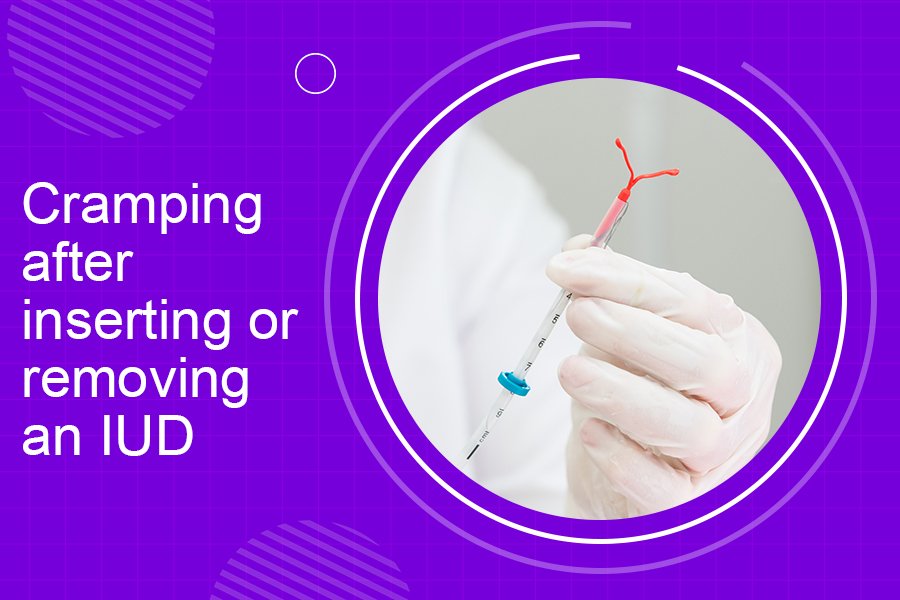
Many women who get an intrauterine device (IUD) experience cramping while fitting the device and for a short period afterwards.
To insert anIUD London, the doctor will push a small tube containing the device into your uterus through your cervix, and this may result in cramping. Cramping, which also occurs during periods, is the body’s response to the cervix getting opened. The intensity of cramping experienced during an IUD fitting varies between persons.
Some people experience the same pain during a Pap smear and mild discomfort after the procedure. However, others may experience pain and cramping that last for a few days. Some people only experience minor cramping and pain, especially if they usually have mild cramps during their periods or have delivered a baby.
Some people who have a history of painful periods or have never delivered a baby may experience stronger cramps during and after their IUD insertion.
How long does cramping last?
The most common reason for cramping during and after an IUD fitting is the cervix being opened to allow the IUD to fit into the uterus.
Everyone has a different experience, but for most people, the cramp subsides as they leave the doctor’s office. However, it is normal to experience discomfort and spotting for several hours after your coil fitting London.
The severity of the cramps will gradually reduce but will continue in the first few weeks after the insertion. They will likely stop after the first 3 – 6 months, but see a doctor if the discomfort persists or the pain is intense.
How will an IUD affect your monthly menstrual periods?
The effect of IUD in your monthly cycle will depend on the type of IUD you inserted and your body’s response to it.
If you inserted a non-hormonal copper IUD (ParaGard), your periods and cramping might be more intense and prolonged within the first few months. Spotting and bleeding between periods may also occur.
A 2015 study showed that about 70% of copper IUD users experienced heavier bleeding in the first three months after copper IUD insertion. Still, by the sixth month, less than half reported heavier bleeding and increased cramping.
If you inserted a hormonal IUD like Mirena, cramping and bleeding might be heavier and irregular in the first 3 – 6 months. A study showed that 30% of women experienced increased cramping within three months after their hormonal IUD insertion, but 25% reported less cramping.
You may also notice spotting after a hormonal IUD insertion. Over 70% of women who participated in the study reported lighter bleeding than before at three months. After six months, 60% reported less bleeding than they experienced in the first three months.
Regardless of which IUD you use, cramping, bleeding, and spotting between periods will reduce over time, and in some cases, periods stop.
What can relieve cramping?
Immediate relief
Although your cramps will not stop completely, the following can help ease the discomfort;
Over the counter pain medication
You can take ibuprofen (Advil), acetaminophen (Tylenol), or naproxen sodium (Aleve) to ease your pain, but ensure you take the recommended dose and discuss with your doctor the drug interactions you may have with other medications you take.
Heat
You can use either a hot water bottle or a heating pad for a few days. Alternatively, fill a sock with rice and microwave it. Soaking in a warm bath or hot tub may also relieve your pain.
Exercise
Being active helps ease cramps, so you can walk or engage in other activities if you feel cramps.
Positioning
Some yoga poses can reduce your cramps by loosening and stretching painful muscles. You can try the Pigeon, Bow, Cat, Cow, Camel, Fish, Cobra, and One-legged forward bend positions to ease your cramps.
Acupressure
Putting pressure on some points can help relieve your cramps. For example, you can press into the arch of your foot for relief.
Long-term strategies
If you continue feeling cramps for more than one week, you may have to consult your doctor about long-term strategies to relieve the discomfort.
Some long-term strategies for relief include:
Supplements
Vitamin B1 (thiamine), vitamin B6, vitamin E, omega-3 fatty acids, fennel, magnesium, and French maritime pine bark extract are examples of supplements that can reduce cramping over time. However, talk to your doctor about supplements you can try and how to take them.
Acupuncture
You can see a licensed professional specialising in acupuncture as stimulating some points on your body by inserting needles in your skin can relieve cramps.
Your doctor may recommend an at-home TENS device for your cramps. This handheld device sends small electric currents to the skin, stimulating your nerves and blocking pain signals to the brain.
What to do if the cramps don’t stop
Some people’s bodies cannot tolerate having a device in their uterus, so they experience continuous cramps.
If your cramps are severe or continue for three months or more, call your doctor. The doctor may request that you visit the clinic to check if the IUD is still in place. If you no longer need the IUD or the device shifted out of place, the doctor will remove it.
Ensure you see the doctor immediately under the following conditions;
Fever or chills
Foul-smelling or unusual vaginal discharge
Severe cramping
No or slowed periods, or heavier periods than normal
Unusual heavy bleeding
These symptoms above may be a sign of an underlying condition such as IUD expulsion or infection. Ensure you call your doctor immediately if you feel the length of the IUD string has changed, think you are pregnant, or feel the IUD coming out through your cervix.
Will cramping occur during IUD removal?
If your IUD strings are still accessible, the doctor can easily remove them without complications. Although you may experience cramping during the IUD removal, it will not be as intense as the IUD insertion. If your IUD strings have coiled up through your cervix, the IUD removal may be more difficult.
People who experienced a painful insertion or have a low threshold for pain may have to talk to the doctor about getting a numbing shot or lidocaine to reduce sensation around the cervix.
If you need a new IUD to replace the old one, you may experience the same cramping as when you had the first IUD inserted.
You can reduce the likelihood of experiencing cramps during your IUD insertion by scheduling the IUD insertion appointment during your periods because your cervix sits lower during this period.
IUDs are about 99% protection against pregnancy, so if you need effective contraception, visit Gynaecology Clinic today to have an IUD fitted. You can contact us now on 020 7183 0435 for a private coil fitting near me.
Nowadays people become obsessed with the perfect look and appearance. They can go to any extent to maintain their youthful beauty in the long run. There are many procedures which they try out as major cosmetic transformation. However the common trend which engulfs the social media creating a buzz is lip fillers. Remember, filler is not permanent at all.
It only adds volume to lips making them look bigger and fuller. The major transformation of Kylie Jenner said to bring this trend amongst commoners to look perfect. In major filling processes, providers make use of hyaluronic acid, a naturally occurring chemical in the body.
Keeping aside the parts which you have filler, the rest of face will enjoy natural aging. In this blog you can come to know about some interesting facts on lip fillers. Take decisions accordingly if you really want to do it or not!
What is lip filler?
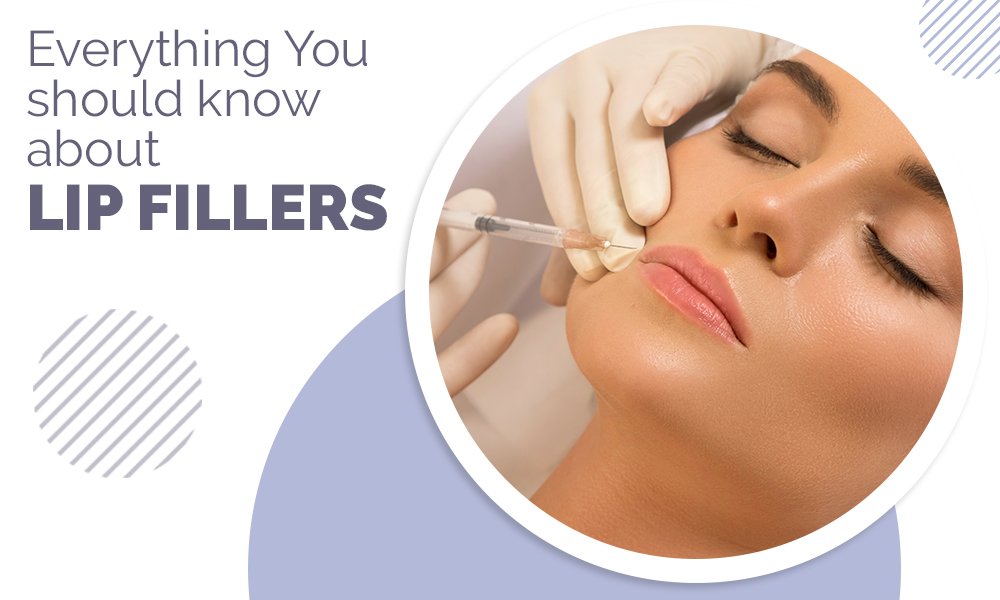
Lip augmentation and filler is the non-invasive cosmetic procedure to add volume to your lips. By undergoing lip filler treatment you can redefine the lips shape perfecting lips line and Cupid’s bow.
Considering the staple of Kyline Jenner, most women are inclining towards this process for offering a subtle and natural boost to the centre of attraction of your face. In general, there are several lip fillers used by the provider like Voluma, Volbella, Volift, Ultra, Smile and Hydrate.
What is the cost of lip fillers?
Cost of lip filler usually ranges from £200 to many thousand pounds. Actually the cost depends on how many syringes and product type needed for carrying out the procedure. In fact, the cost can fluctuate on the basis of lips’ texture, your desired result and complexity involved with the procedure.
Things to consider prior to lip fillers
While you are planning to get dermal fillers for lips think of the reason you want it. Obviously, it is safe to undergo the process from suitably qualified and experienced provider. Before choosing any provider, always check that the practitioner has met skill, training and insurance. Registration is another important point you must check for the practitioner.
Don’t go with any practitioner who has short training course certificate. Consultation is essential prior to undergo the process. Cost is also important to decide if you want to proceed with it or not. Find attractive deals by searching using ‘cost of lip fillers near me’ in London online and compare the prices at different destinations.
Inquire about:
Insurance cover type they have
What will they do in case the result is not desirable?
Potential risks and side effects
Product name and place and process of its production
Qualifications and experience of the practitioners
What will happen during lip fillers?
Any anaesthetic cream is reliable for numbing down the skin. Injections will be given at first followed by gentle massage to the lips. You can find the process uncomfortable but it is not painful at all. The process only consumes 20-30 minutes to finish on the basis of texture of the lips and how much substance needs to inject.
Afterwards
The spot injection will become reddish, swollen and sore. Any sort of bruising and swelling subside down naturally in a couple of days. You must know what needs to do for lessening the chance of potential side effects. Some common of them are avoiding of make-up right after the process and refrain from sun exposure, coffee and alcohol consumption.
Risks
Dermal filler risks rely on if the process is provided in correct manner including its type. Just talk to the practitioner regarding potential risks.
Although rare, but serious problems can comprise-
Infection
Lumpiness underneath the skin which needs treatment using medicine and surgery
Scarring
Moving filler away from targeted area, surgery becomes essential to remove it
Blockage of blood vessels leading to permanent blindness and death of tissues
What you should do in case of a problem?
In case the result seems dissatisfactory to you, consult with the provider to reverse them. Dermal fillers are reversible completely. For mild side effects like lumpiness you must adhere to aftercare advice strictly. You can contact to the provider regarding necessary steps you need to take.
For further complexities, visit the GP seeking medical care. For urgent medical problem you can visit nearby A&E as well. Report side effects of the dermal filler via Yellow Card Scheme website. You can take important information on safety of filling substances from there.
After reading the post, if you become interested to get fuller lips then you can consider visiting Lip Fillers London. They have highly experienced providers to carry out the procedure safely considering the texture of your lips and the right amount necessary for subtle natural looks. Just make an appointment and your dream lip is a step away!
If you have a dental problem and considering dental crowns to fix it, you need detailed information about the procedure. Understanding the types of dental crowns, materials used in making dental crowns, their cost, and how to care for the crown will help you make a detailed decision and avoid common problems people face with dental implants.
The information below covers all important things about dental crowns, the procedure, and what factors affect your dental crown cost.
Important reasons why you need a crown
Dental crowns St Albans can help repair the teeth when they are extensively damaged beyond repair using a filling. A crown can cover the visible part of the tooth to the gum line, protecting the tooth from all angles and is durable enough to accommodate normal chewing and biting. This helps you go about your day without avoiding certain foods. When a tooth is damaged and needs a crown, the tooth can break down without a dental crown procedure.
Below are four reasons you may need a crown
Decaying or broken teeth
If your tooth is broken or decayed, the dentist will do the following:
Procedure – remove the damaged part of the tooth, including the cracked or decayed areas, then take an impression of the tooth. The dentist will fit a temporary crown in the affected areas while waiting for the permanent crown, which takes about two weeks. Getting the dental crown will require two visits.
Reason for the crown – if you do not get a crown for a decayed or broken tooth, the tooth will wear down, requiring extraction. The existing decayed area may expand further, affecting the root canal.
Dental implants
Procedure – getting dental implants involves several procedures done over several months. When the implants integrate with the jaw bone, the dentist will attach the abutment to it. The abutment serves as a support for a dental restoration such as a crown. After placing the abutment, the dentist will take your dental impression to ensure the crown fits the other teeth.
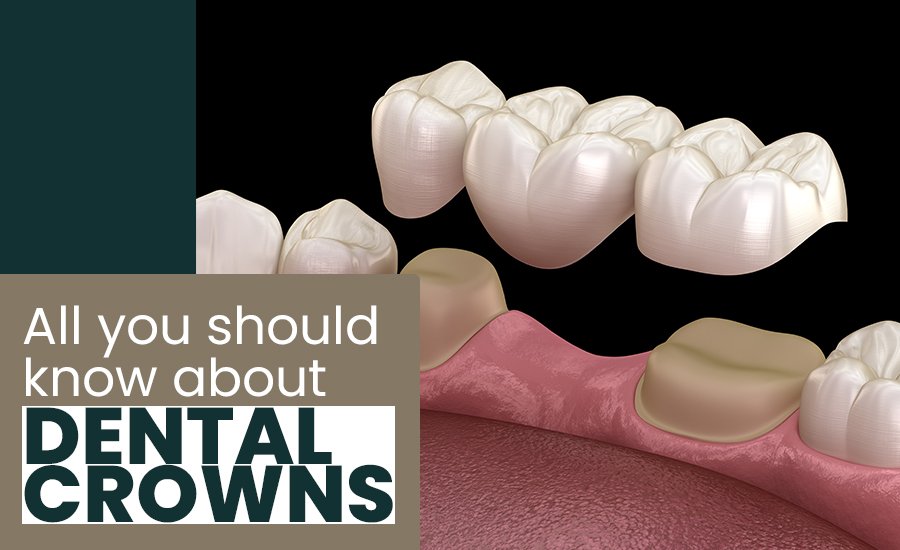
Reason for a crown – dental implants serves as the root of the missing tooth. For aesthetics and proper function, you need a crown on the implant abutment. If you’ve lost more than one of your teeth, you may need a bridge consisting of one row of crowns placed side by side.
Root canals
Procedure – root canals, also called endodontic therapy, treat painful abscesses or dying nerves inside a tooth. A root canal is necessary if you want to preserve a tooth and prevent tooth extraction. Your dentist will likely offer you a temporary crown after the root canal, and then you will get the permanent crown after a few weeks.
Reason for a crown – teeth treated with a root canal are no longer alive, so the tooth structure becomes brittle. Placing a crown on the tooth treated with a root canal will preserve the tooth, supporting your chewing and biting teeth movement. A crown on a tooth treated with a root canal protects your smile.
Dental bridges
Procedure – the dental bridge procedure is similar to getting a crown. The dentist will prep the supporting teeth and take impressions to design the bridge. You will wear temporary crowns on the abutment teeth for some weeks while waiting for the permanent restoration.
Reason for a crown – Dental bridges can replace missing teeth, but they require a functional crown. An end of a dental bridge consists of a crown. The fitting and design process is the same, but the crown is fused to the adjacent pontic to fill the gap.
Types of crowns
Porcelain fused to metal (PFM)
PFM crowns consist of two materials: metals and porcelain. The underlying part of the crown is made from metal to make a cap which the dentist will bond to the underlying tooth. A layer of porcelain is placed over the metal, altering the crown’s external appearance.
The dentist cannot bond porcelain on metal in the office, but it can be crafted in the dental lab under high temperatures. PFM is a more traditional cosmetic dental crown that offers durability with a metal base and an aesthetic finish that matches the other teeth.
Metal and gold alloys
Metal crowns made from precious material such as gold alloys are available, but they are not as common as tooth-coloured crowns. However, crowns made with metal and gold alloys are suitable for specific situations due to gold’s functionality as a dental restoration.
Most people who get gold crowns fit them on the upper back teeth or areas that aren’t visible. Gold crowns are suitable for teeth that support heavy lead since gold can resist the force needed for biting. This makes gold crowns suitable for the back teeth, which support heavy pressure.
Stainless steel crowns
Stainless steel crowns are the cheapest and are mostly used as temporary crowns or protecting the baby teeth that will remain for a while but have suffered extensive abscesses or decay. Stainless steel crowns have a silver colour and are biocompatible. People allergic to metal find stainless steel crowns to be a better alternative.
Stainless steel crowns are perfect for children whose mouths are still developing, and you won’t be spending a lot since the covered tooth will fall out later on.
Ceramic crowns
Different zirconia, ceramic and porcelain crowns are available, and your dentist can select anyone who matches your teeth. You can opt for a ceramic crown to restore a tooth in the front of your mouth, top off a dental implant or prevent metal from being visible.
The main advantage of ceramic crowns over others is their aesthetic appeal. You can create a ceramic crown from different hues and shades. Technological advancements have also made ceramic crowns more durable than they were in the past.
All-resin crowns
Resin crowns are temporary white crowns either made in the dentist’s office during an appointment or prefabricated. Resin crowns usually serve as temporary crowns or restore baby teeth in older children who do not want a conspicuous crown.
All-resin crowns can serve as an alternative to temporary stainless crowns when temporary crowns are needed. Your dentist can place a resin crown on your tooth while you wait for a permanent porcelain crown.
Other types of dental crowns
Temporary crowns
A temporary crown is a must-have if your dentist will fit your permanent crown on the second visit or if a child is having the treatment. A temporary crown protects the tooth and has aesthetic benefits. An uncrowned, prepped tooth is prone to breakage and sensitivity, so fitting a temporary crown is necessary before getting the permanent one.
Stainless steel or resin
Resin and stainless steel crowns serve as a temporary fix. These crowns cannot withstand long-term use, and your dentist will recommend using them for a few weeks or a couple of years. Using resin or stainless steel crowns for a long people increases your risk of dental crown problems.
One-day crown
Same-day dental crowns such as CEREC use 3D CAD/CAM imaging to digitally scan the prepped tooth and create a permanent custom crown within a short time. With the virtual imaging equipment, your dentist will not need to take physical dental impressions. The high-resolution information will get converted into the milling equipment then transformed into a solid ceramic, which serves as a crown. This usually takes about one hour.
Onlay or 3/4 crown
Inlays and onlays, also known as three-quarter crowns, are a smaller version of a full crown. Inlays and onlays are usually gold or ceramic, and they cover only a part of the tooth surface. You can get inlays and onlays when some part of the tooth is still healthy. Inlays and onlays serve as a middle ground between a full cap and traditional filling, but some dentists do not offer them.
Pediatric dental crowns
Some children, especially those that need a pulpotomy or suffer from aggressive tooth decay, need a crown for the affected tooth. Although the baby teeth will later fall out, they still need a crown because if the tooth falls out too early, it can result in a chain reaction that may cause major orthodontic issues. These orthodontic issues include crowding, impacted tooth and shifting tooth.
Procedure for dental crowns
You can get your dental crown in a or two visits, depending on the type of crown you want to fit and dental technology in your dentist’s office.
Several types of dental crowns are available, and each offers a specific advantage for some situations, which makes their fitting and creation process different.
Below are procedures for each type of dental crown.
One-visit dental crowns
Two types of same-day dental crowns are available. They include CAD/CAM designed permanent crowns and temporary crowns. Their procedure includes:
Temporary crown
A temporary crown is hand-designed from resin or stainless steel or prefabricated. The dentist can use a cement bonding or special dental cement to secure the crown on your enamel. If the crown is for a child, the dentist will use a temporary cement.
CAD/CAM
The 3D fabricated crown such as CEREC is the most common same-day crown. This crown uses CAD/CAM technology similar to the technology used for 3D printing, but instead of printing, the scanner uses the data from a virtual mould of the tooth and carves a custom-made crown from a solid block of ceramic. You can have a crown that matches your other teeth in one appointment.
Multiple-visit crowns
The traditional crowns usually require two visits.
The first visit
On the first dental visit, the dentist will numb your tooth with a local anaesthetic and remove the damaged tooth structure. The dentist will prep the tooth by reducing the overall tooth shape, making room for the crown to fit over the tooth. After the prepping, the dentist will take impressions of the tooth to send to the lab.
If you’re getting a ceramic crown, the dentist will choose a material colour that matches your teeth, then fit a temporary crown over the prepped tooth to reduce sensitivity and protect the remaining tooth structure.
The second visit
On the second visit, two weeks after the first appointment, the dentist will remove the temporary crown and cement the permanent one. The dentist may carry out little adjustments on the permanent crown to ensure it fits the tooth. The second visit takes a short time and does not require a local anaesthetic.
Aftercare
The recovery process for a dental crown is slightly different from the traditional filling. In the first couple of days after a dental crown fitting, you may experience tooth sensitivity or experience difficulty eating. However, you can have your regular meals after some days and resume your normal dental hygiene routine.
After getting dental crowns, you need to take some special steps to aid better and faster recovery.
Pain management
Experiencing mild to moderate discomfort after dental treatment, including dental crown, is normal. However, you may experience additional discomfort as your nerves react over some days to weeks. You can take Motrin or ibuprofen for the pain, but inform your doctor if the symptoms persist for more than some weeks. In rare situations, the dentist may have to apply a desensitiser or carry out a root canal.
Eating
Wait for a few hours to allow the numbing medication to wear off before eating anything. Chewing when the numbing medication hasn’t worn off can lead to accidentally biting your cheeks, tongue or lips.
In the first few days after getting a dental crown, try chewing with the other side of your mouth. Avoid sticky or crunchy foods when you start chewing with the crown until the bonding is completely secure. After the cement cures, you can eat your regular meals but avoid biting straight into foods like taffy and caramel.
Cleaning
Cleaning your crown every day is a must to ensure it lasts long. In most cases, dental crown problems arise from poor oral hygiene. The first couple of days after the dental crown procedure, use a water flosser, toothbrush and irrigation.
Afterwards, you can use a traditional floss and water flosser, but ensure you clean the edges of the crown every day.
Care for a temporary crown
Temporary crowns serve as a temporary fix until the permanent crown is available. A temporary crown does not have a tight or strong seal against the teeth like the permanent crown, making a different care routine important.
You can brush the temporary crown like your normal teeth, but opt for a water flosser to clean around the edges of the crown because the regular floss may get stuck or shredded. If the dental crown is on a baby tooth, use a floss pick or traditional floss to clean the sides of the tooth, but do use the floss gently.
Caring for a dental crown
Taking proper care of your dental crown can make it last longer. Dental crowns need thorough cleaning every day to prevent bacteria from accumulating in the edges of the crown or under the crown.
Ensure you keep the following in mind when caring for your dental crown.
Immediately after the procedure
For 1 – 2 days after the procedure, you need to be delicate with the crown to allow the cement underneath to harden completely. Ensure you avoid chewing with the area you have the crown, using string floss and eating sticky foods to prevent the crown from pulling off. Flossing after the cement hardens is important to clean the edges of the crown.
Routine care
After the bonding agent cures completely, you can resume your daily brushing and flossing routine. Caring for a crown is the same as caring for your other teeth. While flossing, gently wrap the floss around your crown and slip it up and down its sides and below your gum line.
If something is stuck between the crown tooth, do not force it out, but you can use a water flosser if you don’t feel comfortable using floss around the crown. However, ensure you floss.
Most people think that flossing with a string can pull out their crown if they apply much pressure while using the floss, but not flossing will likely cause your crown to fall out, unlike flossing. The cement underneath the crown is strong, and if flossing pulls off the crown, there is a high chance that the crown will eventually come off.
Problems associated with a dental crown
Identifying problems that may likely arise from using a dental crown, including a temporary crown, can help you avoid them. The following are issues that may occur from using a dental crown.
Sensitivity or discomfort
Experiencing tooth sensitivity is normal in the first couple of days and sometimes weeks after the dental crown procedure. The sensitivity is common because the dentist will reduce the tooth thickness around the nerve, which leaves your nerves more sensitive.
You can use desensitisers and other products recommended by the dentist to help prevent tooth sensitivity after the procedure.
Dark gumline (exposed metal)
Depending on the material used to make a crown, your gum line may have a dark grey line close to the edge of the crown. This side effect is more common in people who get porcelain fused to metal (PFM) crowns because porcelain material coats the metal crown and tapers off at the edge.
When your dentist fits a crown on your tooth, the margin of the crown rests close to the gums and do not go under the tooth. If you look at the tooth closely, you will notice a dark line. This effect is a common reason most people do not opt for PFM crowns for their front teeth.
Chipped crown
Like your natural teeth, dental crowns can chip. Clenching and grinding your teeth or accidents can chip porcelain crowns, and you can’t repair the crown when they chip, but you can change the entire crown.
Depending on the location of the chip and the position of the crown, your dentist can smoothen it. For porcelain fused to metal crown, the metal base will become more exposed.
If you usually grind your teeth, you may need a protective nightguard to prevent your crown from getting damaged.
Crown falls out/ loose crown
Your dentist will attach the dental crown to the affected tooth using dental cement, but the bonding agent can get compromised, causing the crown to become loose or fall out. Eating sticky foods can create high suction to pull out the crown, and failing to floss may lead to bacteria buildup underneath the crown or around the edges.
If the underlying tooth is shorter, your dentist may have to build up the tooth to create an additional base to prevent the crown from falling out. In some cases, the dentist will re-cement the crown or replace it.
Allergic reaction
If you are allergic to metal, ensure you inform your dentist. You may be allergic to metal crowns if you have breakouts from certain jewellery, such as non-precious metal necklaces and earrings. Although allergy to a dental crown is rare, you still need to discuss with your dentist if you want a crown made of metal.
Gum disease
If you have unhealthy gums, your crown and the underlying tooth may fall odd. When you do not floss under your crown and around the edges, it may lead to gum infection and bone loss around your teeth, increasing the risk of tooth loss. If you feel nervous about using a floss, opt for a water floss.
While brushing your teeth, ensure you keep the toothbrush at an angle towards the spaces between your teeth and gums. This helps remove plaques before they form tartar. Accumulated plaque along the tiny edges along your gums increases the risk of gingivitis, the first stage of gum disease.
How long does a dental crown last?
Some dental crowns are more durable than others. For example, stainless steel and resin crowns are temporary and do not last long, but other dental crowns can last for 5 – 10 years with proper care.
Your dental crown could last longer, but dental problems such as decay around the crown resulting from not flossing can make the crown fail prematurely.
Good oral hygiene, regular dental check-ups, wearing a nightguard if you grind or clench your teeth and flossing daily will ensure your dental crown lasts long.
What is the cost of a dental crown?
Cost is an important factor that affects people who want to get a dental crown. Different dental crown materials are available, including varying designs and types, which determine the cost of the dental crown.
The cost of dental crowns varies, depending on the type of dental crown you choose, your location and your dentist. Below is an estimated cost for different dental crown designs. This cost applies to a tooth.
Type of crown
Cost
Porcelain fused to metal
£600 – £1000
Porcelain crown
£600 – £2500
Precious metal or gold crown
£550 – £1100
Stainless steel
£250 – £400
All-resin crown
£400 – £1000
Additional costs may apply for other steps such as pins, buildups and getting a sedative during the procedure.
Your dental health is an essential component of your overall health, and neglecting it can increase your risk of developing conditions such as heart disease, respiratory problems, and even dementia. The following are the top ten ways to improve your dental health:
Brush your teeth at least three times per day.
Brushing your teeth after every meal keeps food from becoming stuck between your teeth and gums and ensures that your teeth are adequately cleaned. Brushing your teeth regularly can help prevent gum disease and bad breath, in addition to keeping them white. If you are looking for the most affordable & effective teeth whitening products? Then try Zimba. It will offer you one of the best quality teeth items to take care of your teeth and a beautiful smile. Just use Zimba Coupon Code to receive 30% OFF while purchasing.
Brushing rightly takes about 2-3 minutes per brush, with 30 seconds spent in each area of your mouth and making sure you’re actively brushing each tooth, not just the place.
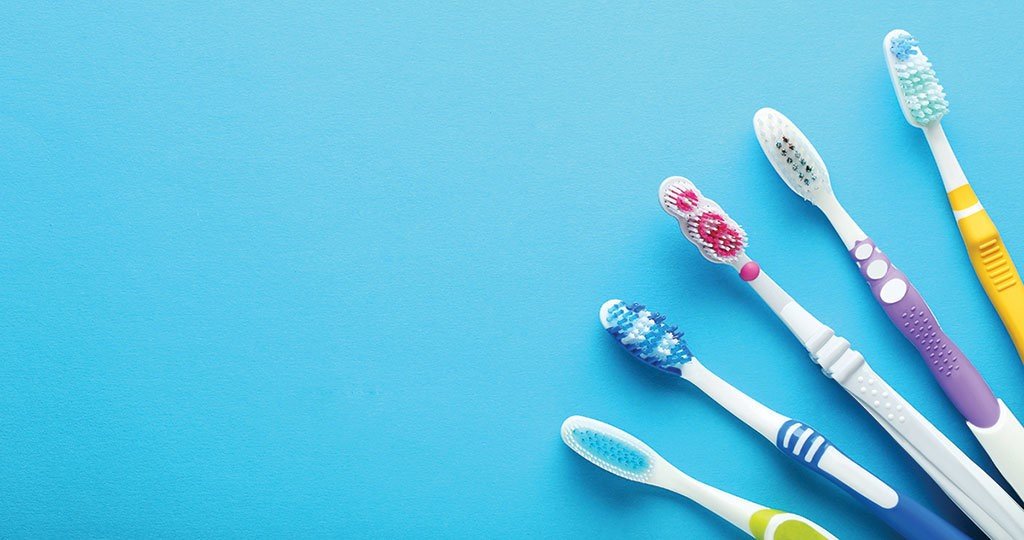
Select your toothbrush carefully and replace it regularly.
There are numerous toothbrush options available, but soft-bristled and electronic toothbrushes are the best options for keeping your smile bright and clean. Both of these options provide gentle cleaning of your teeth without causing hard scrubbing or long-term damage such as receding gums and enamel loss.
You are brushing your teeth and replacing your toothbrush both help to prevent bacteria. It is advised that you return your toothbrush after three months of use. If you’re not sure what toothbrush is best for you, make sure to ask at your next cleaning.
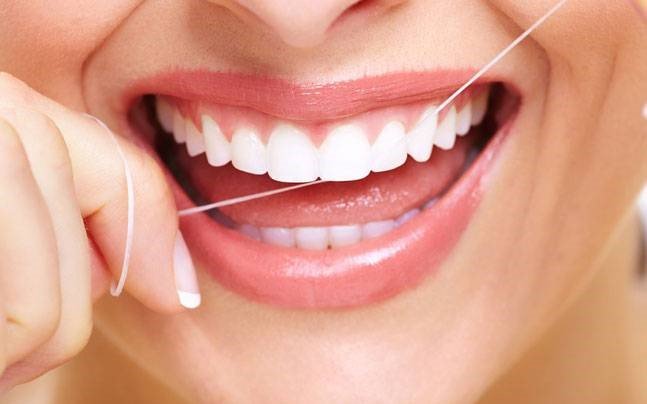
Floss frequently.
The days of lying to your dentist about flossing are long gone. Flossing is critical for good dental hygiene. If you experience bleeding while flossing, you may have gingivitis or poor gum health. Don’t be concerned; the more you floss, the better your gum health will be, and your bloody gums will fade over time.
A water pick is an excellent option for easier flossing for those who have dental work or sensitive or inflamed gums. A water pick removes leftover food particles by safely shooting a stream of water directly onto your teeth and gums.
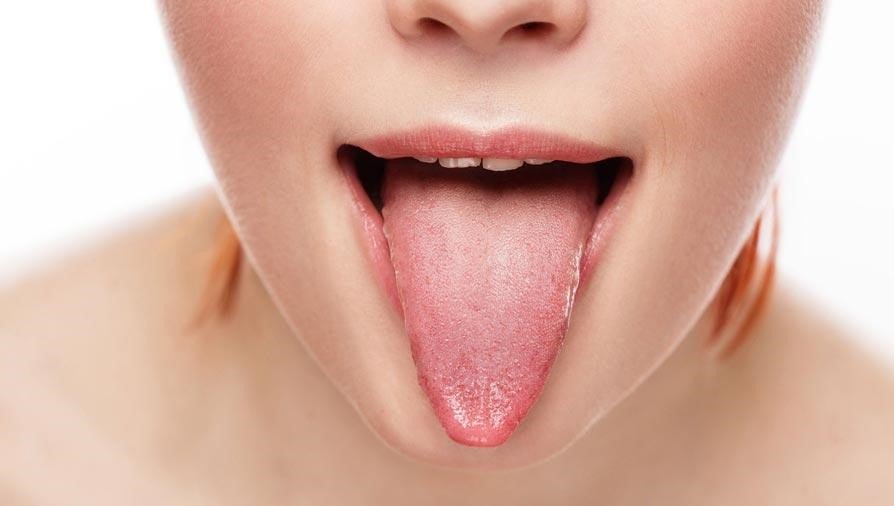
Pay attention to your tongue.
If left unclean, your tongue can become a breeding ground for various bacteria, like your teeth and gums. This small accessory will aid in the removal of bacteria and the improvement of your breath. This small accessory will help to remove bacteria and improve your breath. The more thorough you make your hygiene routine, the cleaner your mouth will be.
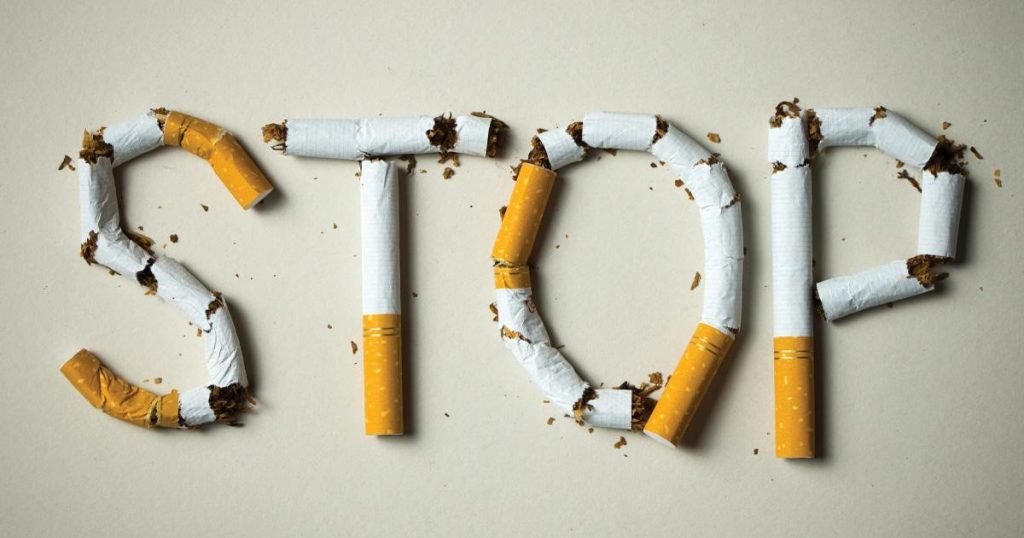
Quit smoking.
In addition to causing severe health issues such as mouth and lung cancer, smoking can also cause tooth discoloration and bad breath. Tobacco users are more likely to have infected gums, weakened teeth, and a lower success rate with dental implant procedures.
Limit your coffee consumption.
Most of us rely on coffee to get us through the day, but dark-colored drinks, such as coffee and red wine, can become embedded in the cracks and ridges of your enamel, causing yellowish stains on your teeth that may require teeth whitening to remove. Coffee also contains acid, which can erode your teeth’ enamel. That can also lead to tooth decay in the future. If you can’t get rid of your coffee habit, experiment with different ways to consume it. Using a straw to drink coffee ensures that your favorite caffeinated beverage has minimal contact with your teeth.
Consume a well-balanced diet.
The phrase “an apple a day keeps the doctor away” isn’t limited to pediatricians. Dentists recommend eating an apple every day because it helps you clean your teeth and avoid cavities while satisfying your sweet tooth. Crunchier vegetables, such as carrots and celery, also keep your gums stimulated and fought cavities. In general, a nutritious diet rich in fruits, vegetables, grains, chicken, and fish (preferably organic) will benefit your dental and overall health.
Reduce your sugar intake.
Sugary drinks and foods, such as soda, desserts, and a few juices and alcoholic beverages, can increase your risk of cavities. Here is because cavities are bacterial infections caused by acids in your mouth, and when you eat a high-sugar diet, your mouth’s harmful bacteria feed on it. As a result, cavities and tooth enamel decay can occur. Going sugar-free will keep your teeth healthy and free of cavities.
Use an antibacterial mouthwash.
Including mouthwash in your daily dental care routine provides an additional line of defense against bacteria in your mouth. Mouthwash gets into the crevices and soft tissue of your mouth that you may not brush every day.
When looking through all of the options available in your store, make sure to select a mouthwash that has the ADA Seal of Acceptance. This seal denotes granted to products that provide scientific evidence demonstrating the product’s safety and efficacy.
Go to the dentist regularly.
We frequently find that many patients only come to us when something is wrong, but x-rays and regular cleanings are two of the essential parts of your dental health care routine. Preventive care can aid in the detection of minor issues before they become major ones. Not only that, but it also aids in the development of a pleasant and trustworthy dentist/patient relationship. The more you trust your dentist, the easier it will be to discuss your concerns and fears, resulting in a more pleasant visit.
Many Americans associate going to the dentist with a negative experience, but your dentist, like your primary care doctor, is there to help you stay healthy. If you are experiencing pain in your mouth, don’t be afraid to speak up so that your dentist can examine the area and, if necessary, take further action.
Losing weight is one of the most important goals for individuals nowadays. That occurs because we usually do not have time to pay attention to our weight and health. Weight gain does create by poor eating habits, a lack of exercise, excessive stress, and a sedentary lifestyle. We don’t usually notice the first extra pounds we gain since weight growth is a slow process. When we realize we are overweight, it is typically too late to lose weight quickly. Instead, it takes a lot of time and works to drop the excess weight, and most individuals don’t have time and want some tactics and suggestions to assist them in losing weight quickly.
Alcoholic beverages, on the other hand, are high in calories. Because we typically consume junk food and soft drinks in addition to alcohol, regular alcohol consumption generally results from more than pounds gained. When you cut back on alcohol, you will lose weight. Reduce your alcohol usage as much as possible. You can continue to consume alcohol, but only on rare occasions. You won’t burn your fat without building muscles. Use a gadget by Bionicgym and lose weight without injuries. So order to Grab 30% OFF by applying Bionicgym Coupon Code while purchasing.
After 9 p.m., don’t eat anything. If you avoid eating after 9 p.m., you can halt the weight growth process. There is a rational reason for this technique. When you eat after 9 p.m., you consume more calories than your body requires. Furthermore, by 9 p.m., you’ve typically ingested enough calories for the day. Typically, eating after 9 p.m. is not motivated by hunger. The most common reasons for eating at night are boredom or worry. Eating at night will only result in the fat buildup and weight increase. If you quit eating at night, you will notice a significant difference and appreciate this new adjustment in your lifestyle.
Drink
Water keeps you hydrated, enhances the condition of your skin, and can aid in weight loss. By drinking water, you cleanse your body of impurities and boost the performance of your metabolism, which assists in weight loss. Water is also a good drink for distinguishing between true hunger and boredom hunger. You need to drink one glass of water to determine whether or not your body needs food. Water can assist you with this since our bodies frequently confuse dehydration with hunger. As a result, drink water to reset your appetite. Eight glasses of water are the daily recommended quantity.
Getting enough sleep should never deprive your body of rest and sleep. A stressed body is the result of a lack of sleep and rest. Stress produced by a lack of sleep and rest impacts the hormones associated with appetite. Pressure from sleep loss, in particular, raises levels of a hormone that induces weight growth. Your enthusiasm and these hormones will remain balanced if your body is refreshed and gets six to eight hours of sleep every day.
Dietary Disagreement
Diets have remained fixed in popular culture. Almost everyone has tried at least one of them. However, it is a well-known truth that Americans currently weigh more than they did previously. Why is it that the average American’s weight continues to rise even though more individuals than ever are attempting to regulate their food intake? This discrepancy can continue illustrated by the fact that diets, particularly those that promise significant weight loss in a short period, do not work. It is unsustainable to move from eating bad meals to eating healthy foods and eating lesser quantities. A diet, especially a fad diet, will often only succeed if people adhere to a tight regimen that requires them to starve themselves.
While specific diets may work initially, users nearly always relapse and regain the weight they lost. People frequently diet intending to reduce weight, but in the long run, only a tiny fraction of dieters succeed in keeping the pounds off, rendering diets unproductive. A different strategy is required, as well as another purpose. Skinny may not always imply health. That is a misconception fostered by today’s media, just like the notion that if one works hard enough to stick to a rigorous diet, they will be skinnier and happier. To improve America’s well-being, society must change its mindset. Must replace cycles of following the latest diet and then relapsing with a realistic strategy to eat well-balanced meals consistently.
The difference between any diet and a fad diet is that fad diets usually promise spectacular and speedy weight reduction results (Freedman). Those who follow such a diet are frequently left hungry and miserable. Constantly starving oneself is a terrible way to live, and it will undoubtedly have a detrimental impact on other elements of one’s life. How can someone focus on study or job when all they can think about is how hungry they are? Fad diets are virtually hard to stick to in the long run and are not a solution to weight loss.
Even if such restricted regimens provide benefits, they are only temporary until they revert to their old behaviors. According to Gianoulis, “just about 10% of reducers produce anything near to their purposes, and only around half of those do and maintain their weight loss for an extended period.” An overweight or obese individual who begins fad dieting will nearly always remain overweight. Nobody wants to undo their sense of satisfaction after finally reducing weight by having it creep back on.
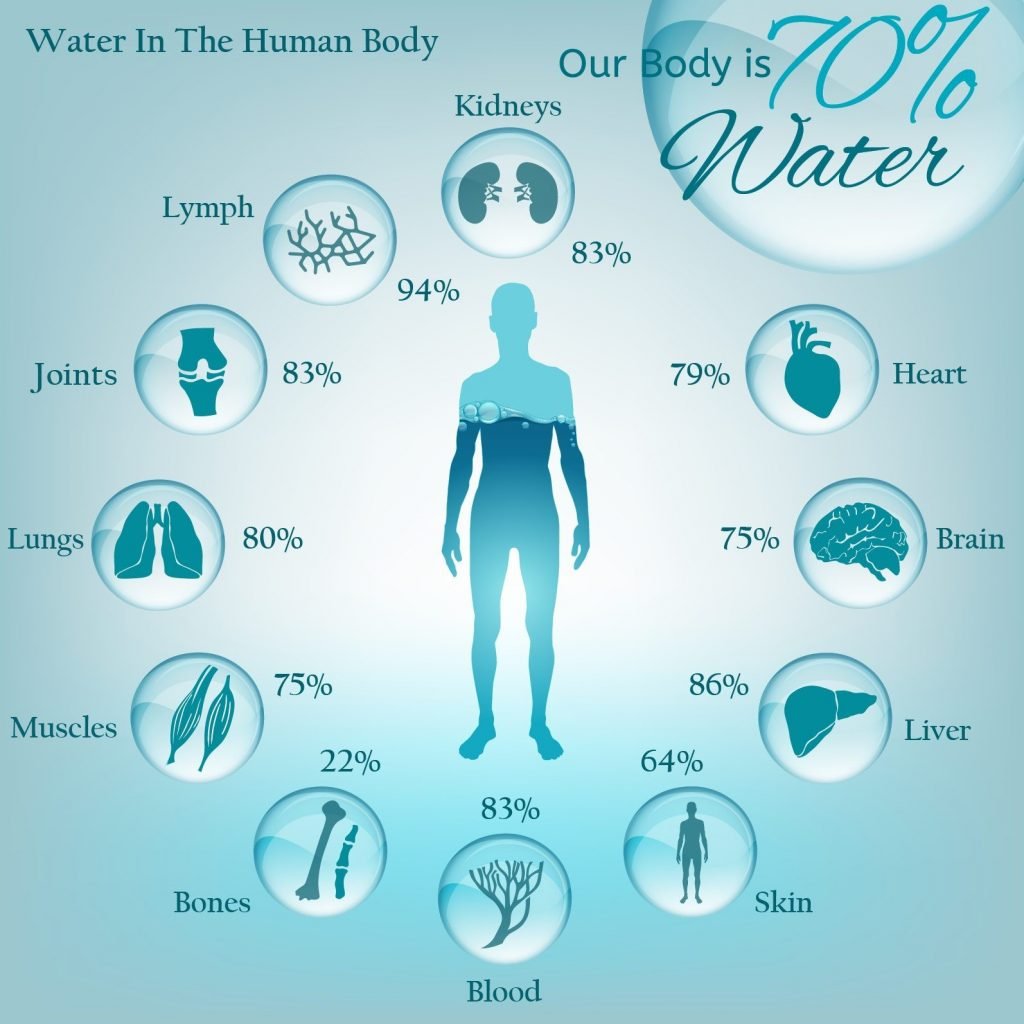
Because our bodies compose 60% water, we cannot overemphasize the importance of water for the human body. Doctors and other medical specialists urge that we drink at least eight glasses of water each day or drink at least 2 liters of water per day. Water offers natural health advantages for the body that will do us a lot of good if we drink it regularly. Here are some of the health advantages of drinking water:
1) Water Improves Physical Performance- Our bodies require a proper water balance daily, which is especially significant since the body loses water via various activities, such as strenuous exercise, which causes the body to lose a lot of water.
2) Hydration Has an Impact on Energy Levels and Brain Function- Because the human body is so reliant on water, it is critical to maintain proper hydration levels.
3) Drinking Water May Aid in the Prevention and Treatment of Headaches In certain people, a lack of water in the body can cause headaches and migraines. Water has moved bestowed to alleviate tension headaches, migraines, and, in some cases, vision issues.
4) Another study found that drinking water may aid in the removal of kidney stones from the body. The more water you drink, the less likely kidney stones may form in your body, posing a health danger.
5) Another significant feature of drinking water is satisfying thirst, which is why individuals drink water. It relieves dry throat and lowers the danger of colds and touches of flu, especially in the winter.
6) There are several other health benefits of drinking clean water that we cannot cover in this text. As a result, I’ve begun studying bottled water as a product that I aim to put on the market to meet the customer’s desire for safe, dependable, contemporary, and trustworthy water. I picked water as the product with which I would enter the market. As a manager, I feel that bottled water is profitable, easily accessible, and practical.
Speech about Drinking Water
We are all aware of the importance of water in our lives and our health. A person isolated on an island can survive for several days without food, but after a few days without water, that person will almost certainly die. Water is essential to our survival because it keeps us hydrated.
Though we may ignore the quantity of water we consume, we must understand how crucial it is to maintain our optimal well-being. “How much water should I drink in a day?” is a ubiquitous question. The most typical response is to drink eight glasses of water every day to stay hydrated.
1) Water promotes weight reduction. Some individuals believed that drinking a lot of water would cause them to bloat, but this is not the case. Liquid bottles do eliminate excess weight. If you want to lose weight, it remains recommended that you drink water before each meal. Here will keep you feeling fuller for longer and will boost your body’s metabolism. At times, we may confuse thirst with hunger. When this occurs, we tend to eat even if it is not what our bodies require. So, the next time you get a need for anything sweet, try drinking some water first. Water is necessary for us, but if you are a beer lover. Then try our latest drinking tools, such as the Bottel Opener, Can Cooler, Skinny Can Cong, etc. So order now to Get 30% OFF by using Kong Beer Bong Coupon Code.
2) It elevates one’s mood. Isn’t it fascinating? Drinking water can genuinely make you feel better. If you are thirsty and cannot get your hands on a glass of water to help satisfy your thirst, you may get sad and experience unpleasant vibes. It also keeps you awake and aware.
3) Water can help you avoid some forms of cancer. Drinking enough water can help prevent bladder cancer, colon cancer, and breast cancer. Moisture may cause frequent urine, which aids in the reduction of carcinogen build-up in the bladder.
4) Excellent and clearer skin. Water aids in the removal of toxins from the body and the prevention of pimples. It also aids in the de-clogging of pores, which do make by pollutants. Also, dehydration causes the skin to become dry and wrinkled, so hydrating will help it seem better even if it doesn’t remove fine lines.
5) Water aids in the maintenance of a healthy heart. According to research, there is a link between drinking water and coronary heart disease. It has been done dispensed that drinking water reduces the risk of coronary heart disease; however other fluids such as soda and juice raise the risk.
6) Water is essential for your kidneys. Water not only benefits your heart, but it also benefits your kidneys. Blood urea nitrogen, or BUN, is the major toxin expelled by human bodies through urine. When you drink enough fluids, your kidneys begin to cleanse and eliminate toxins from your body. You pee more frequently and flush the toxic toxins out since you are consuming enough water.
7) Acts as a lubricant for muscles and joints. Muscular is composed of 70 to 75 percent water; therefore, it is critical to balance your water intake for muscle performance. It also helps cushion your joints so that they do not grind against one other, causing friction and pain.