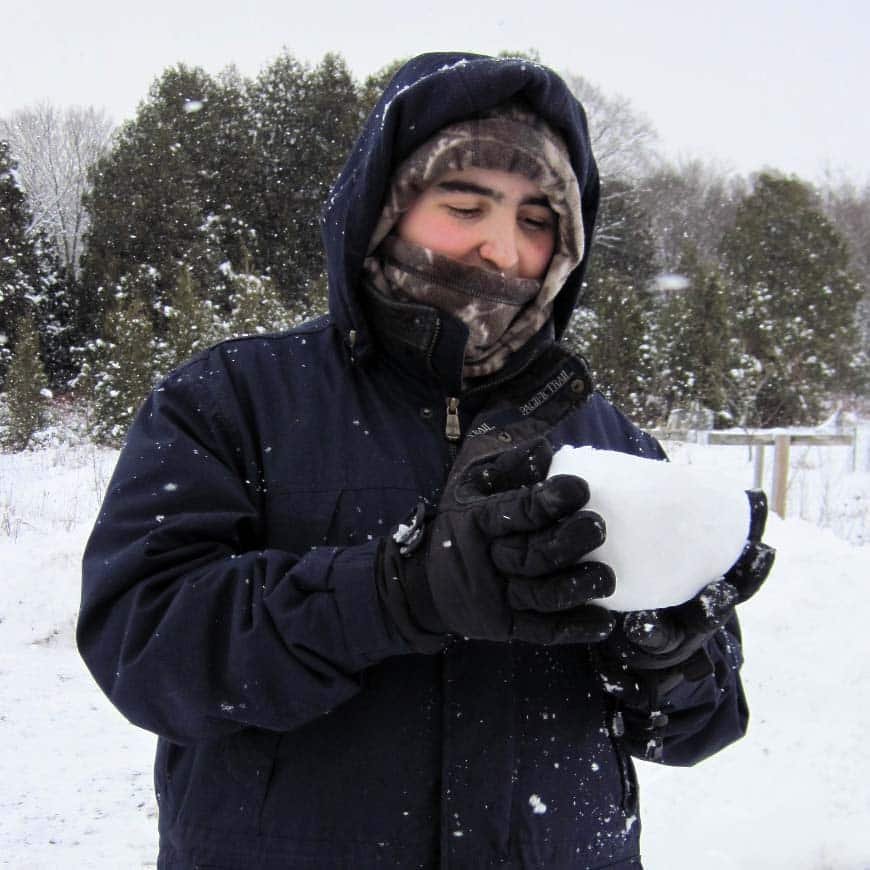
Dressing for a chilly climate can be a test, yet you can remain warm the entire season with legitimate winter layering. Dave and I have done our reasonable portion of cold climate travel. We’ve confronted – 30 climates skijoring in Alberta, and we’ve been winter setting up camp in an environment so cool, the temperature fell totally off the thermometer.
So with regards to layering for chilly climate, we know what we are discussing. We’ve been to the two shafts, and wherever in the middle and the main piece of our chilly climate voyages has been tied in with dressing appropriately.
Looking for the best winter dresses, Then Warmsty is the best option for you. It is an online store that offers the best range of winter collections at a much affordable price. Read WARMSTY Review for products and prices.
Step by step instructions to Layer For Cold Weather – A Winter Layering Guide
In all honesty, it is feasible to remain warm and partake in the outside throughout the colder time of year if you observe a couple of guidelines. The leading standard is that you need to layer your garments. We’ve gone about it in the most challenging way conceivable when it comes to layering.
- Instructions to Choose A Base Layer
Winter Layering tipsMerino fleece will hold you back from getting cold.
The base layer is unquestionably the most important for finding out how to layer for winter. Consider your chilly climate base layer a subsequent skin. The way into an incredible base layer is to utilize a material that wicks the sweat away from your physical body. If it isn’t underhanded away, the more you sweat, the colder you can move.
Best Base Layer Material for Cold Weather
Merino Wool is a good choice for your base layer. It’s light, breathes well, and has no odor, making it great for wicking away moisture.
You need to ensure that it fits cozy and is agreeable. Attempt to keep away from cotton, as it holds dampness and can leave you freezing. We like to go with regular filaments over-engineered ones like Polyester. The two of them can achieve precisely the same thing. However, we observe that Merino Wool works somewhat better.
We utilize the Icebreaker brand of Merino Wool and have viewed it as excellent in the wake of attempting many diverse base layers. We have used our Icebreaker layers to prepare for canine sledding with Iditarod and Yukon Quest canine musher Hank DeBruin, during our 100km trip into the Arctic watershed and ice skating snowshoeing, and snowmobiling.
Our Recommended Base Layer for Cold Weather
These Merino Wool base layers kept us warm and dry without fail.
Crisp:
- Mid-weight Base Layer Merino Wool Bottoms Men’s
- Mid-weight Base Layer Merino Wool Bottoms Women
- Mid-weight Base Layer Merino Wool Top Women
- Mid-weight Base Layer Merino Wool Top Men
Very Cold:
- Significant burden Base Layer Merino Wool Bottoms Men’s
- Substantial burden Base Layer Merino Wool Bottoms Women
- Robust burden Base Layer Merino Wool Top Women
- Strong burden Base Layer Merino Wool Top Men
- Instructions to Choose A Mid Layer
Icebreaker for regular use: Skirt, stockings, and sweater
The mid-layer is tied in with holding heat. The vast majority feel you want to wear a vast parka to remain warm.
Best Mid Layer Material for Cold Weather
The more frugal downy is a decent other option even though it is less effective when wet. Down and fleece turn out best for keeping the heat in, so this is the thing that we like. Depending on the temperature and the amount of movement we’re performing, we switch between these two mid-layers.
However, assuming we’re perched on a snowmobile or tubing down a track. We find the down can cause overheating rapidly on the off chance that we are doing incredible undertakings. At the point when we’re burning some serious calories snowshoeing or cross-country skiing, we lean toward fleece.
For layering pants, we propose fleece or wool. You can pack heavier loads for freezing days or lighter loads that float around the freezing mark for a long time. I love the fantastic way fleece keeps you warm but at the same time is lightweight. It’s ideally suited for a stroll on a refreshing winter day.
- Instructions to Choose An Outer Layer
Remaining warm exposed with our layers
The right external shell shields from brutal components like downpour, wind, and snow. This top layer coat holds the breeze back from denying you of hotness with the legitimate layers worn under.
Best Outer Layer Material for Cold Weather
You will need to search for something waterproof and breathable. Nylon or Polyester is a decent choice. It is strong and is truly waterproof, yet it is breathable and wind safe.
Recall that every one of your layers should be breathable if this layering framework will work. Try not to get tricked into feeling that bulkier is better.
Our Recommended Outer Layer for Cold Weather
- Waterproof Gore-Tex Shell Jacket – We’ve observed that it worked for every open air movement. Ice climbing, snowboarding, snowshoeing, and skijoring were all done in this shell.
- Gore-Tex pants – We presently utilize the Arcteryx Beta SL pants, which are incredible. Solid, lightweight, and waterproof. Ideal for those breezy days.
- Snow Pants – These are discretionary; however, to avoid a layer, you can wear these with your base layer.
By and by, ensure it has zippers and vents to allow in air. Vents can undoubtedly chill you off without the need to strip down immediately.
Download this infographic to figure out how to layer up like an expert
Parkas For Cold Weather
In any event, while layering, you here and there need an option that could be hotter than simply an external shell. While doing open air exercises, we strip down to our base layer, yet when we are resting or when we finish, a comfortable parka is unquestionably required. We changed from Canada Goose to Triple Fat Goose and loved it.
Triple F.A.T. Goose is significantly more reasonable. Second, I think it is jazzier, and you won’t seem a fraud wearing Canada Goose like every other person. I generally disdain to be popular. Triple F.A.T. Goose makes down coats “For Arctic Temperatures” that have developed into a direct-to-buyer brand, offering extravagance outerwear with specialized execution highlights.
- Expect Your Body Temperature
Continuously put on the entirety of your layers when enjoying some time off. Having suitable layering garments is only the central portion of remaining warm in the colder year. The next part involves knowing how to control your internal heat level by adding and shedding layers on a case-by-case basis. The main piece of open-air experiences is never working up an over-the-top sweat.
Individuals’ most significant error is standing by too long even to consider shedding their layers. A decent guideline is to get going with each of the three layers on, then, at that point, as you START to feel excessively warm, shed a layer. As the action increments and you work more diligently, you ought to be taking off more layers.
Try not to be hesitant to climb with simply your base layers on. We have done this on a few campaigns, and it kept us hotter over the long haul. Recollect that when you stop to get those layers back on a straightaway or toss on a parka to trap in the hotness, so you don’t get a chill.
- Ensure Your Head, Face, And Toes
Accept off or add layers as you want them.
We were all at legitimate fault for it as children. We never wore caps, and we seldom wore gloves, yet keeping those furthest points covered will assist with keeping you warm. It’s anything but a fantasy that all your hotness escapes through your head, feet, and hands. These body parts are also frequently the first to experience the infection.
Headwear for Cold Weather
It is the place where you lose the most hotness on the off chance that you don’t cover it. We have tracked down the most effective way to do this is to have two unique sorts of caps. One ultra warm to put on while resting at camp or lunch and a light cap to wear while doing an action.
- We love Aviation, or catcher caps with earflaps are our top pick for keeping us warm, and a merino fleece beanie is fantastic for exercises.
Keep Your Face Warm
I consistently wore a dickie, yet the wool always made me break out. I picked a Merino Wool Neck Gaitor from Minus33, and it feels delicate on my jaw yet keeps my neck warm.
I will generally truly feel the cold in my neck and need that additional layer to polish off my layering closet.
2 Buffs: We continually bring two arrangements of buffs. They can be extraordinary for keeping the following warm and utilized as a light cap or headband.
Footwear For Cold Weather
Indeed, who can layer even socks
Keeping your feet warm can be the most significant test in winter, particularly on those truly chilly days. For that reason, the best arrangement is to layer your socks.
- Layer 1: Liner socks are lightweight and tiny yet ideal for wicking away dampness. It’s critical to keep feet dry to keep them warm.
- Layer 2: mid-layer socks – The mid-layer socks are thick warm fleece socks that protect our feet. Usually, this is sufficient, and we don’t need to add any more, yet when the temperatures get truly chilly, another external layer is incredible.
- Socks with a lot of weight – As you can see, we prefer to stack everything. In case you are in some super chilly climate, the third pair of heavier fleece socks will keep your feet hot warm.
- Winter Hiking Boots – For traveling and different exercises, a decent arrangement of Gortex climbing boots will meet every one of your requirements.
Try to purchase a size that records the additional layers of socks. Tight boots will freeze your toes. However, you additionally don’t need floppy boots by the same token. Wear the socks you mean to wear on your experiences while taking a stab at your shoes.
Leave a Reply