You’ve presumably heard on many occasions how exercise is “useful for you.” But did you realize that it can assist you with feeling great as well? Getting the perfect measure of activity can fire up your energy levels and even help with working on your disposition.
Rewards and Benefits
Specialists suggest that youngsters get an hour or a more significant amount of moderate to overwhelming actual work every day. Here is a portion of the reasons:
- Exercise benefits the entire body, including the mind. Practicing causes the body to produce synthetics that can help an individual feel better. Exercisers have a better night’s sleep. Some persons with moderate depression and low self-esteem may benefit from it. Furthermore, exercising may offer individuals a true sense of accomplishment and pleasure in achieving a goal, such as defeating an ancient period in the 100-meter race.
- People can lose weight and lower their chance of acquiring certain diseases by exercising. Regular exercise reduces a person’s risk of developing various diseases, including obesity, type 2 diabetes, and hypertension.
- Exercise can help a person age gracefully. Your body will appreciate you later, even if it doesn’t seem important right now. For example, when people become older, osteoporosis (bone degeneration) might become a problem. Weight-bearing activities, such as bouncing, jogging, or active strolling, can help maintain bones strong.
The three pieces of a fair exercise routine are oxygen-consuming activity, strength preparing, and adaptability preparing.
Exercise is very helpful for our body, So want to buy some exercise equipment, Then Robus Athletic is the best online brand that offers the best quality home workout system. the best quality home workout system. To know more about Robus Athletic, Read Robus Athletic Review for pricing and plans.
High-impact Exercise
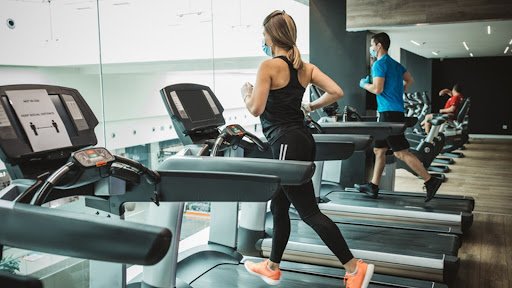
Regular exercise benefits the heart, just as it does other muscles. Vigorous exercise is defined as any activity that gets your heart beating and helps you inhale more deeply. When you regularly exercise your heart and lungs, they improve their ability to supply oxygen (in the form of oxygen-carrying platelets) to all regions of your body.
If you participate in group activities, you’re probably getting at least an hour or more of moderate to vigorous exercise on training days. Ball, soccer, lacrosse, hockey, and paddling are some group activities that provide excellent intense exercise.
However, if you don’t play playgroup activities, relax — there are many ways of getting oxygen-consuming exercise. These activities are trekking, running, swimming, moving, in-line skating, tennis, cross-country skiing, climbing, and quick strolling.
Strength Training
The heart isn’t the only muscle that benefits from regular exercise. Different forces in your body also benefit from the practice. When you exercise your muscles, they become more grounded.
Solid muscles are also an or more because they support your joints and aid in wound prevention. Power also consumes more energy than fat, so putting on muscle will help you consume more calories and maintain health.
To strengthen your muscles and bones, do the following, you don’t have to carry heavy objects. Different types of activities, for example, support other muscle groups:
- Try paddling or cross-country skiing for your arms. Pull-ups and push-ups, the old rec center class staples, are also beneficial for muscular arm development.
- Try jogging, hiking, paddling, or skating to strengthen your legs. Leg workouts like squats and leg lifts also help to support the legs.
- For stomach and center strength, you can’t beat paddling, yoga or pilates, boards, and crunches.
Adaptability Training
The primary goal of exercising isn’t to strengthen the heart and other muscles. Exercise can also help the body stay adaptive, which means that your muscles and joints can stretch and curve without issue.
Being adaptive may also help an individual improve their gameplay. A few activities, such as a move or combative skills, need a high level of adaptation. On the other hand, expanded adaptability can help people perform better in a variety of sports, such as soccer or lacrosse.
Sports and activities that promote adaptation are easy to find. Hand-to-hand combat, such as karate, expressive dance, aerobatics, and yoga, is viable. Extending after your workout will also help you improve your adaptability.
What’s the best option for me?
The prominent motivation individuals drop an activity program is the absence of interest: If what you’re doing isn’t fun, it’s challenging to keep it up. Fortunately, there are huge loads of various games and exercises to see which one rouses you.
When choosing the proper type of activity might help you think about your workout personality. Do you, for example, thrill at the chance to work out alone and on your schedule? If this is the case, you could like activities such as running, hiking, or skiing alone. Or, on the other hand, do you like the shared inspiration and companionship that comes with being a part of a team? School sports, intramural organizations, club groups, and impromptu activities are fantastic methods to stay in touch with people.
It would also be beneficial to design around practical considerations, such as if your chosen movement is reasonable and accessible to you. (Exercises such as horseback riding, for example, may be more prevalent among those who reside in metropolitan areas.).
It is preferable to get guidance from someone knowledgeable about the activity., such as a mentor or a wellness master at a gym. The individual can get you started on a program that is right for you and your level of health.
Specialists recognize that most people benefit from regular exercise, including those with disabilities or clinical concerns such as asthma. Are you facing any medical problems, then talk to your primary care physician before starting an exercise program. (such as being overweight or excessively rusty).
When you consider the benefits to the heart, muscles, joints, and brain, it’s easy to see why exercise is beneficial. Furthermore, the fantastic thing about practice is that it is never beyond the point where it is feasible to begin. When you’re just starting, even small tasks like going for a brief bike ride, walking the dog, or raking leaves might count as practice.
Leave a Reply